
Florida Homeowners Insurance Crisis Explained: What's Happening and What You Can Do

Modern Insurance Group • April 17, 2026

If you own a home in the Sunshine State, you already know that homeowners insurance in Florida has become one of the most expensive and complicated purchases you'll make each year. Florida homeowners are paying nearly three times the national average for coverage, and many are watching their premiums climb by double digits annually. Whether you're a longtime Orlando resident or just bought your first home in Union Park, understanding the Florida homeowners insurance crisis is the first step toward protecting your family and your finances.

In this guide, we break down exactly what caused the crisis, what the state is doing about it, and — most importantly — what practical steps you can take right now to get better coverage at a fair price.

What Caused the Florida Homeowners Insurance Crisis?

The homeowners insurance Florida market didn't collapse overnight. It's the result of several forces compounding over more than a decade. Understanding these root causes helps you see why rates are where they are — and why simply switching carriers isn't always enough.

Hurricane Losses and Climate Risk

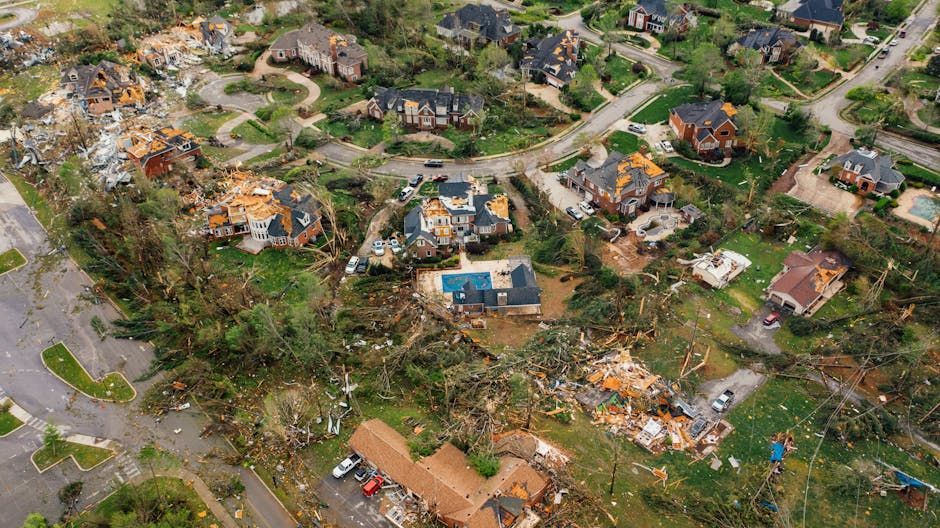
Florida's geography makes it uniquely vulnerable to hurricanes, tropical storms, and flooding. Hurricanes Ian (2022), Nicole (2022), and Idalia (2023) collectively caused tens of billions of dollars in insured losses. Each major storm season depletes carrier reserves, and the increasing frequency and severity of weather events has made actuaries reassess risk across the entire state — not just coastal zones. Even Orlando-area homeowners who live well inland have seen their rates spike because carriers now price in the broader statewide exposure.

Litigation Abuse and Assignment of Benefits (AOB)

For years, Florida accounted for roughly 8% of all U.S. homeowners insurance claims but nearly 80% of all homeowners insurance lawsuits nationwide. Unscrupulous contractors and attorneys exploited a legal mechanism called Assignment of Benefits (AOB), where a homeowner would sign over their insurance claim rights to a third party — typically a roofer or water restoration company — who would then inflate the claim and sue the carrier. This litigation abuse added billions in legal costs that carriers passed directly to policyholders through higher premiums.

Carrier Insolvencies and Market Exits

The combination of catastrophic losses and lawsuit costs proved fatal for many Florida-based insurers. Since 2020, more than a dozen FL homeowners insurance carriers have gone insolvent or voluntarily left the state. When a carrier fails, its remaining policies are absorbed by other companies or pushed to Citizens Property Insurance, the state's insurer of last resort. Fewer carriers in the market means less competition, which means even higher prices for consumers.

Skyrocketing Reinsurance Costs

Insurance companies buy their own insurance — called reinsurance — to protect against catastrophic losses. After several brutal hurricane seasons, global reinsurers dramatically raised their rates for Florida exposure. Some pulled out of the Florida market entirely. These increased reinsurance costs flow directly into the premiums you pay. When it costs a carrier more to protect itself, it costs you more to protect your home.

Recent Legislative Reforms and Their Impact on Insurance Florida Homeowners

Florida lawmakers have taken several significant steps to stabilize the insurance Florida homeowners market. While these reforms won't produce overnight relief, they are beginning to reshape the landscape.

Senate Bill 2-A and Senate Bill 4-A (2022 Special Session)

In late 2022, the Florida legislature passed sweeping insurance reform. Key provisions included eliminating one-way attorney fees in insurance disputes (which had incentivized frivolous lawsuits), restricting AOB abuse, creating a $1 billion reinsurance fund (the Florida Optional Reinsurance Assistance program, or FORA) to reduce carrier costs, and tightening rules on contractor solicitation after storms. These changes directly targeted the litigation and fraud issues that had been driving up costs for years.

Ongoing Regulatory Changes in 2025-2026

Building on earlier reforms, Florida's Office of Insurance Regulation has continued pushing for transparency in rate filings and encouraging new carriers to enter the market. Several national carriers have cautiously re-entered Florida or expanded their writings, citing the improved legal environment. While premium relief is gradual, industry analysts are noting the first signs of rate stabilization in some areas — though Orlando and Central Florida homeowners may still see modest increases through late 2026 as carriers catch up to prior losses.

Citizens Property Insurance: Florida's Insurer of Last Resort

If you've been dropped by a private carrier or simply can't find affordable coverage, you may have heard of Citizens Property Insurance Corporation . Citizens is a state-created, not-for-profit insurer designed to be the market of last resort — meaning you can only get a Citizens policy if you've been unable to find comparable coverage in the private market.

At its peak, Citizens insured over 1.4 million policies statewide. That number has been declining as reforms encourage depopulation — the process of moving Citizens policyholders back to private carriers. However, Citizens policies come with unique risks: if a catastrophic hurricane depletes Citizens' reserves, all Florida policyholders (even those with private insurers) can be assessed a surcharge to cover the shortfall. That makes reducing Citizens' exposure a priority for everyone in the state, not just Citizens policyholders.

If you're currently on a Citizens policy, it's worth exploring private market options annually. An independent insurance agent can compare quotes from multiple carriers to see if you can get better coverage at a competitive price.

How Home Insurance Florida Rates Are Changing in 2026

Heading into 2026, the outlook for home insurance Florida is cautiously optimistic — but guarded. Here's what Orlando-area homeowners should expect:

  • Slower rate increases: After years of 20-40% annual jumps, many carriers are filing single-digit increases for 2026. Some are even holding rates flat for well-maintained, newer homes.
  • New carriers entering the market: The legislative reforms are attracting new competition. More carriers writing policies means more options for homeowners — and more leverage when shopping.
  • Roof age still matters enormously: Carriers continue to scrutinize roof age and condition. Homes with roofs over 15 years old may face surcharges, exclusions, or outright non-renewal. A roof replacement can be one of the most impactful things you do for your insurability.
  • Mitigation credits are expanding: Florida law requires insurers to offer wind mitigation discounts. If you've made improvements like hurricane shutters, impact-resistant windows, or a reinforced roof-to-wall connection, you may qualify for significant savings.
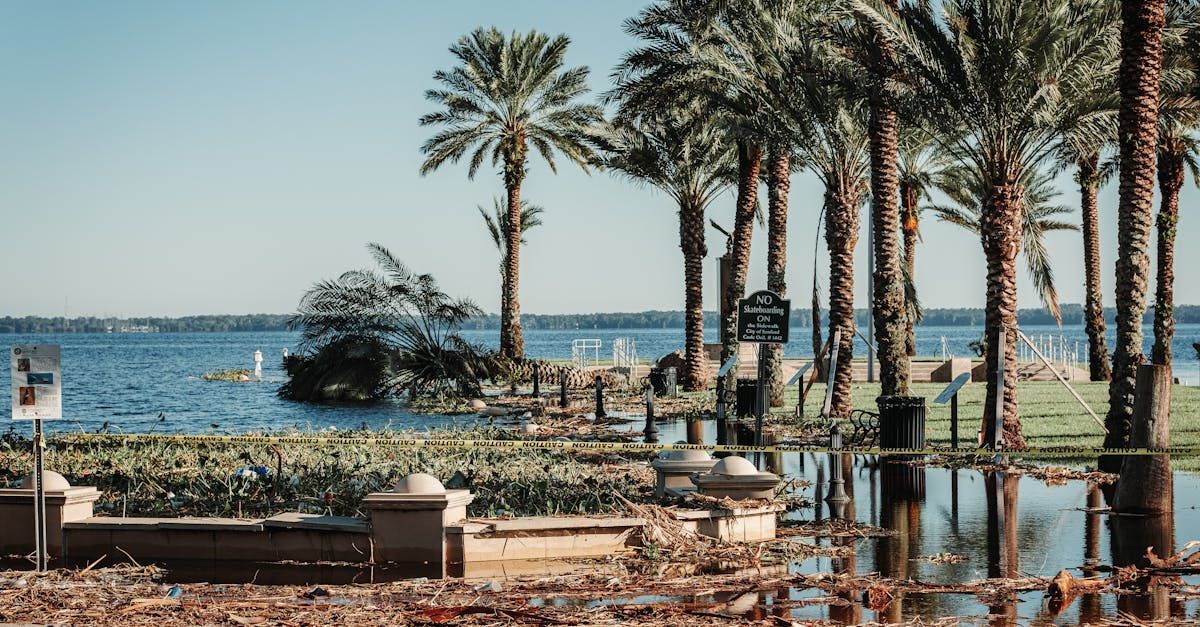
  • Flood insurance remains separate: Your homeowners policy does not cover flooding. With FEMA's Risk Rating 2.0 methodology now fully in effect, many Orlando homeowners are seeing changes in their flood insurance premiums as well. Don't overlook this critical coverage.

Practical Steps Orlando Homeowners Can Take Right Now

You don't have to sit back and accept whatever rate your carrier throws at you. Here are concrete actions that can save you money and improve your coverage:

1. Get a Wind Mitigation Inspection

A wind mitigation inspection costs between $75 and $150 and can save you hundreds — sometimes thousands — per year on your premium. The inspector documents features like roof shape, roof-to-wall connections, opening protection (shutters or impact windows), and roof covering type. Florida law requires carriers to apply discounts for qualifying features.

2. Update Your Roof

If your roof is approaching 15-20 years old, start budgeting for a replacement. A new roof meeting current Florida Building Code standards not only protects your home but can dramatically reduce your premium and ensure you remain insurable. Some carriers offer specific discounts for roofs under 5 or 10 years old.

3. Raise Your Deductible Strategically

Increasing your hurricane deductible from 2% to 5% of your home's insured value can lower your annual premium significantly. Just make sure you have enough savings to cover the higher deductible if a storm hits. This is a calculated risk that works well for homeowners with an emergency fund in place.

4. Bundle Your Policies

Many carriers offer multi-policy discounts when you bundle home and auto insurance together. This isn't just about saving on homeowners — your auto premium often drops too. Ask your agent about bundling options across all available carriers.

5. Shop Your Policy Every Year

The Florida insurance market is changing rapidly. A carrier that was the best deal last year might not be competitive this year, and a new carrier may have entered the market with aggressive pricing. Annual shopping is essential — and it's much easier when you work with an independent agent who can compare quotes from 10 or more carriers at once.

Why Working with an Independent Agent Matters More Than Ever

In a stable insurance market, the difference between a captive agent (who represents one company) and an independent agent might be minimal. In Florida's volatile market, it's enormous. Here's why:

An independent insurance agent isn't tied to a single carrier. When your current company announces a 30% rate increase or decides to non-renew your policy, a captive agent has nowhere else to turn. An independent agent, on the other hand, can immediately shop your policy across multiple carriers to find the best combination of price, coverage, and financial stability.

At Modern Insurance Group in Orlando, we work with more than 10 top-rated insurance carriers. That means when the market shifts — and in Florida, it always does — we shift with it on your behalf. We handle the quoting, the comparisons, and the paperwork so you can focus on what matters.

Whether you're dealing with a non-renewal notice, sticker shock at renewal time, or you simply want to make sure you're not overpaying, our team is here to help. Contact Modern Insurance Group today for a free, no-obligation quote and let us put our carrier relationships to work for you.

Modern Insurance Group
1049 Meller Way, Union Park, FL 32825
Phone: (407) 907-3378

Frequently Asked Questions About FL Homeowners Insurance

Why is homeowners insurance so expensive in Florida?

Florida's high rates stem from a combination of hurricane exposure, years of litigation abuse (particularly through Assignment of Benefits fraud), carrier insolvencies that reduced competition, and rising global reinsurance costs. While recent legislative reforms are beginning to stabilize the market, premiums remain significantly above the national average.

Can I get homeowners insurance in Florida if I've been dropped by my carrier?

Yes. If you've received a non-renewal or cancellation notice, you still have options. An independent agent can shop your policy across multiple private carriers. If no private coverage is available at a comparable price, you may be eligible for a Citizens Property Insurance policy as a last resort. Acting quickly is key — don't wait until your current coverage lapses.

How much does homeowners insurance cost in Orlando in 2026?

The average Orlando homeowner is paying between $3,500 and $6,000 per year for homeowners insurance in 2026, though costs vary widely based on home value, roof age, construction type, and proximity to water. Homes with newer roofs and wind mitigation features typically land on the lower end of that range. The best way to get an accurate number is to request a personalized quote.

What's the difference between hurricane deductible and regular deductible?

Your regular (or "all other perils") deductible is a flat dollar amount — say $1,000 or $2,500. Your hurricane deductible is a percentage of your home's insured value, typically 2%, 5%, or 10%. On a home insured for $350,000, a 2% hurricane deductible means you'd pay the first $7,000 out of pocket on a hurricane claim. Choosing a higher hurricane deductible lowers your premium but increases your financial exposure during a storm.

Does my homeowners insurance cover flooding in Florida?

No. Standard Florida homeowners insurance policies do not cover flood damage. Flood insurance is a separate policy, typically purchased through the National Flood Insurance Program (NFIP) or a private flood insurer. Even if you don't live in a designated flood zone, flooding can happen anywhere in Florida — and it's the number-one natural disaster in the state. Talk to your agent about adding flood coverage to protect your home completely.

A black outline icon of a telephone handset with a speech bubble above it, representing voice communication.

Get A Quote

At Modern Insurance Group, securing your future is easy. Ready to protect what matters? Contact us for a quick quote and personalized insurance options!

A black icon of a telephone handset.

Kelly

Speak to Kelly 24/7

A simple black icon of a microphone on a white background, representing audio recording or voice input.

Microphone ready


A black check mark symbol on a white background.

Start your custom insurance quote

A simple, black checkmark symbol.

Instant answers to your insurance questions

A bold black checkmark symbol on a white background.

Schedule appointments or follow-ups

A line-art icon of a human figure standing next to a shield containing a checkmark.

Personal Insurance

From auto and homeowners to renters and umbrella policies, we help protect your family and property. Let’s find coverage that fits your life.

A line-art icon of office buildings with a dollar sign coin stack in front and a shield with a checkmark above.

Commercial Insurance

We customize policies for your industry's risks, like general liability and workers' comp, ensuring you can run your business worry-free.

Recent Posts

By Modern Insurance Group April 17, 2026
Looking for the cheapest homeowners insurance in Florida? Learn how independent agents compare 10+ carriers to find affordable coverage and save hundreds per year.
By Modern Insurance Group April 16, 2026
Need short term rental insurance in Orlando? Learn why standard homeowners policies fall short, what coverage Airbnb hosts need, and how to protect your investment.
By Modern Insurance Group April 16, 2026
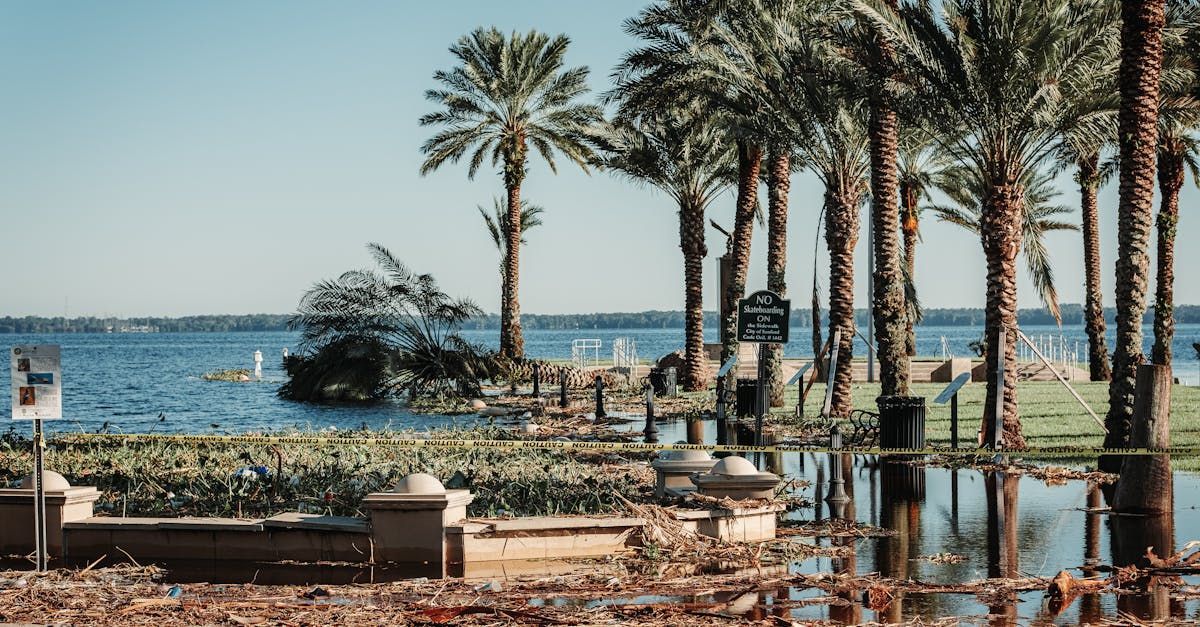
Learn what home insurance in Orlando covers during hurricane season. Understand windstorm vs flood coverage, Florida hurricane deductibles, and how to protect your home.

By Modern Insurance Group April 15, 2026
Learn why choosing an independent insurance agency in Orlando gives you more options, better rates, and stronger coverage in Florida's volatile insurance market.
By Modern Insurance Group April 15, 2026
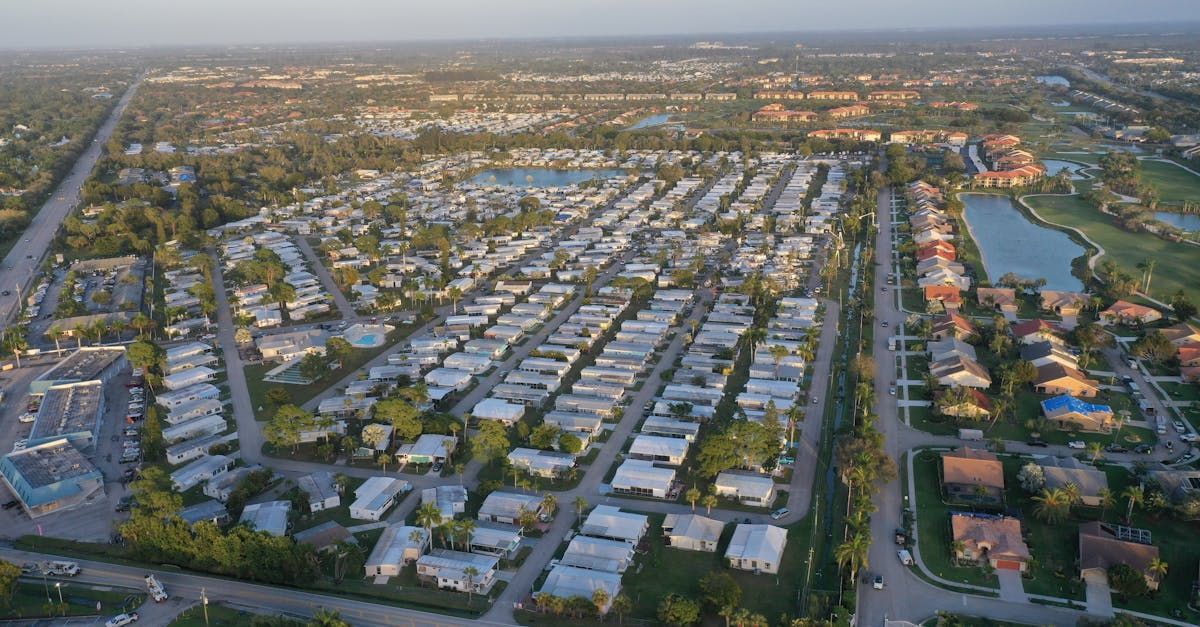
Learn about Florida manufactured home insurance costs, HO-7 policies, hurricane coverage, and wind mitigation discounts. Get a free quote from Modern Insurance Group today.

By Modern Insurance Group April 14, 2026
Learn Florida workers comp insurance requirements for Orlando employers. Discover coverage details, penalties, and how to get affordable quotes from 10+ carriers.

By Modern Insurance Group April 14, 2026
Discover what small business insurance Orlando companies need. Learn about GL, BOP, workers comp, and more. Get free quotes from 10+ carriers today.

By Modern Insurance Group April 13, 2026
Been in a car accident in Orlando? Learn the step-by-step insurance claims process, Florida's no-fault PIP rules, and when to call your agent. Expert guidance inside.

By Modern Insurance Group April 13, 2026
Learn what renters insurance in Orlando covers, why landlords require it, and how to get coverage for as little as $15/month. Get a free quote from Modern Insurance Group today.
By Modern Insurance Group April 12, 2026
Learn about Florida auto insurance requirements including PIP and PDL minimums. Orlando drivers can protect themselves with the right coverage. Get a free quote today.
Show More