Flood Insurance in Orlando: Do You Really Need It?
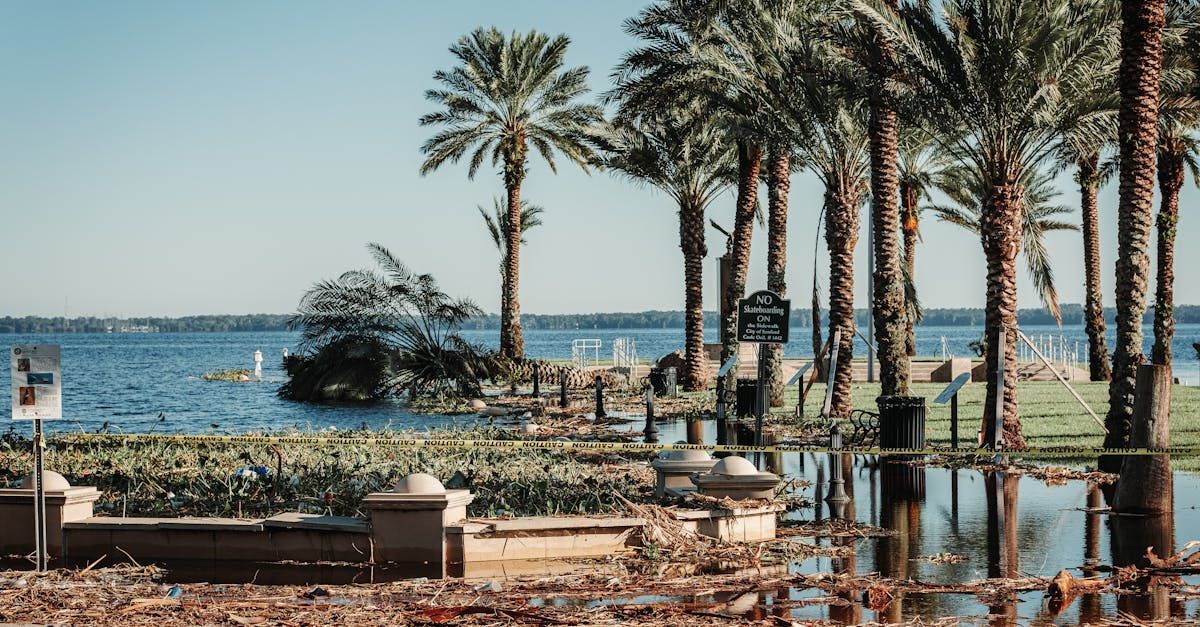
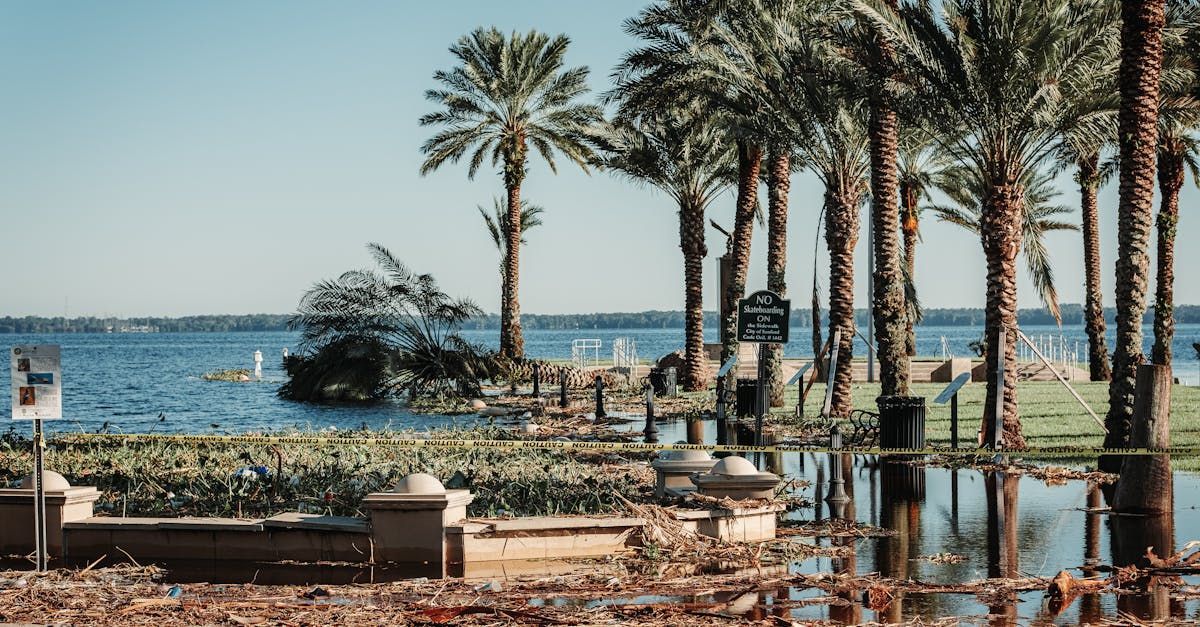
If you own a home in the Orlando area, you have probably wondered whether flood insurance in Orlando is something you actually need or just another unnecessary expense. The answer may surprise you. Central Florida receives an average of 50 inches of rain per year, and Orlando sits in one of the most flood-prone regions in the country. Whether your mortgage lender requires it or not, understanding your flood risk could save you tens of thousands of dollars when the next big storm hits.
At Modern Insurance Group , we help Orlando homeowners navigate flood insurance options every day. Here is everything you need to know before making your decision.
Understanding Orlando Flood Zones and FEMA Maps
The Federal Emergency Management Agency (FEMA) maintains Flood Insurance Rate Maps (FIRMs) that divide areas into different flood zones based on risk. In Orlando and Orange County, you will find several important designations that directly affect your insurance requirements and costs.
High-Risk Flood Zones in Orlando
Zone AE is the most common high-risk designation in the Orlando metro area. Properties near the Little Econlockhatchee River, Shingle Creek, Boggy Creek, and the many lakes throughout Orange and Seminole counties frequently fall within Zone AE. These areas have a 1% annual chance of flooding, which translates to a 26% chance of flooding over the life of a 30-year mortgage.
Zone AH applies to areas with shallow flooding, typically one to three feet deep. Several low-lying neighborhoods near Lake Underhill, Lake Conway, and the Butler Chain of Lakes carry this designation.
Moderate and Low-Risk Zones
Zone X (shaded) represents moderate risk, while Zone X (unshaded) indicates minimal risk. Many Orlando subdivisions in areas like Union Park, Avalon Park, and Waterford Lakes fall into these categories. However, it is critical to understand that roughly 25% of all flood claims nationwide come from properties outside high-risk zones. Just because your home is in Zone X does not mean you are safe from flooding.
You can check your property's flood zone designation using FEMA's online Flood Map Service Center or by contacting our team at Modern Insurance Group for a complimentary flood risk assessment.
When Is Flood Insurance Required in Florida?
Flood insurance is not always optional. Federal law mandates flood coverage in specific situations, and understanding these requirements can help you avoid compliance issues with your lender.
Federally Backed Mortgages in Flood Zones
If your property is located in a FEMA-designated high-risk flood zone (any zone starting with the letter A or V) and you have a federally backed mortgage through lenders regulated by agencies like Fannie Mae, Freddie Mac, FHA, or VA, flood insurance is legally required . Your lender will not close on the loan without proof of coverage, and if your policy lapses, the lender can force-place a policy at a much higher cost.
When Flood Insurance Is Optional but Strongly Recommended
Even if your home sits in a moderate- or low-risk zone and your lender does not require coverage, Orlando flood insurance is still one of the smartest investments you can make. Here is why:
- Standard homeowners insurance policies in Florida do not cover flood damage . Not a single dollar.
- Just one inch of floodwater in your home can cause more than $25,000 in damage.
- Orlando's flat terrain and high water table make drainage slow during heavy storms.
- Hurricane season brings unpredictable rainfall patterns that can overwhelm any neighborhood's drainage system.
- New construction and development in Central Florida continue to alter natural drainage patterns, increasing flood risk in areas that were previously considered safe.
NFIP vs. Private Flood Insurance in Orlando
When shopping for flood insurance in Florida , you have two primary options: the National Flood Insurance Program (NFIP) administered through FEMA, and private flood insurance carriers. Each has distinct advantages depending on your situation.
National Flood Insurance Program (NFIP)
The NFIP has been the traditional source for flood coverage for decades. Key features include:
- Maximum building coverage of $250,000 for residential properties
- Maximum contents coverage of $100,000
- Standardized pricing through FEMA's Risk Rating 2.0 methodology
- Available regardless of your flood zone designation
- 30-day waiting period before coverage takes effect (with some exceptions)
Under FEMA's Risk Rating 2.0, which replaced the older rating system, premiums are now calculated based on individual property characteristics including distance to water, flood frequency, and replacement cost. This means some Orlando homeowners saw premiums decrease while others experienced increases.
Private Flood Insurance
Private flood insurance has grown significantly in Florida and now offers competitive alternatives to the NFIP. Benefits often include:
- Higher coverage limits, often up to $1 million or more for the dwelling
- Additional living expense coverage, which the NFIP does not provide
- Replacement cost coverage for contents (NFIP pays actual cash value)
- Shorter waiting periods, sometimes as few as 10 days
- Potentially lower premiums for properties with favorable risk profiles
As an independent agency, Modern Insurance Group compares quotes from multiple private flood carriers alongside the NFIP to find the best combination of coverage and price for your Orlando property.
Average Flood Insurance Costs in Orlando and Central Florida
One of the most common questions we hear is how much flood insurance in Orlando actually costs. The answer depends on several factors, but here are general ranges to help you budget:
- NFIP policies in low-to-moderate risk zones: Typically $400 to $800 per year
- NFIP policies in high-risk zones (AE/AH): Often $1,200 to $3,000+ per year, depending on elevation and building characteristics
- Private flood insurance: Can range from $300 to $2,500+ per year, with many Orlando homeowners finding savings of 20-40% compared to NFIP rates
Factors that influence your premium include your home's elevation relative to the Base Flood Elevation (BFE), the age and construction type of your home, your chosen deductible, the distance to the nearest body of water, and your selected coverage limits. An elevation certificate can sometimes help reduce costs significantly.
The bottom line: for many Orlando homeowners, flood insurance costs less than $50 per month, which is a small price to pay for protection against a disaster that could cost you your entire home investment.
Do I Need Flood Insurance in Orlando? The Bottom Line
If you are still asking yourself whether you need Orlando flood insurance , consider these facts. Orlando ranks among the top cities in the U.S. for flood risk. Climate patterns are shifting, bringing more intense rainfall events to Central Florida. And perhaps most importantly, federal disaster assistance after a flood event is typically a loan that must be repaid, not a grant.
Our recommendation at Modern Insurance Group is clear: every Orlando homeowner should carry flood insurance, regardless of their flood zone designation. The cost of coverage is almost always a fraction of the cost of recovering from a flood without it.
Frequently Asked Questions About Flood Insurance in Orlando
Does my homeowners insurance cover flooding in Orlando?
No. Standard homeowners insurance policies in Florida explicitly exclude flood damage. Flood insurance must be purchased as a separate policy, either through the NFIP or a private carrier. This is true regardless of your insurance company or the type of homeowners policy you carry.
How long does it take for a flood insurance policy to take effect?
NFIP policies have a standard 30-day waiting period from the date of purchase before coverage begins. There are exceptions if you are purchasing in connection with a new mortgage closing. Private flood insurance waiting periods vary by carrier but are often shorter, ranging from 10 to 15 days. The key takeaway is that you cannot wait until a storm is approaching to buy coverage.
Can I get flood insurance if my home is not in a high-risk zone?
Absolutely. Flood insurance is available to any property owner in Orlando, regardless of flood zone designation. In fact, properties in moderate- and low-risk zones often qualify for significantly lower premiums. Given that a substantial percentage of flood claims come from outside high-risk areas, purchasing coverage in a lower-risk zone is both affordable and wise.
How do I know which flood zone my Orlando property is in?
You can look up your property on FEMA's Flood Map Service Center at msc.fema.gov, contact Orange County's Stormwater Management Division, or simply reach out to our team. At Modern Insurance Group, we provide free flood zone determinations as part of our quote process and can walk you through exactly what your designation means for your coverage needs.
Get Your Free Orlando Flood Insurance Quote Today
Protecting your Orlando home from flood damage does not have to be complicated or expensive. As an independent agency, Modern Insurance Group compares flood insurance quotes from 10+ carriers to find you the right coverage at the best price. Whether you need an NFIP policy to satisfy your lender or want to explore private flood options for better coverage and savings, we are here to help.
Call us today at (407) 907-3378 or request your free flood insurance quote online . Our office is conveniently located at 1049 Meller Way, Union Park, FL 32825, serving homeowners throughout Orlando and Central Florida.
Get A Quote
At Modern Insurance Group, securing your future is easy. Ready to protect what matters? Contact us for a quick quote and personalized insurance options!
Kelly
Speak to Kelly 24/7
Microphone ready
Start your custom insurance quote
Instant answers to your insurance questions
Schedule appointments or follow-ups
Personal Insurance
From auto and homeowners to renters and umbrella policies, we help protect your family and property. Let’s find coverage that fits your life.
Commercial Insurance
We customize policies for your industry's risks, like general liability and workers' comp, ensuring you can run your business worry-free.